
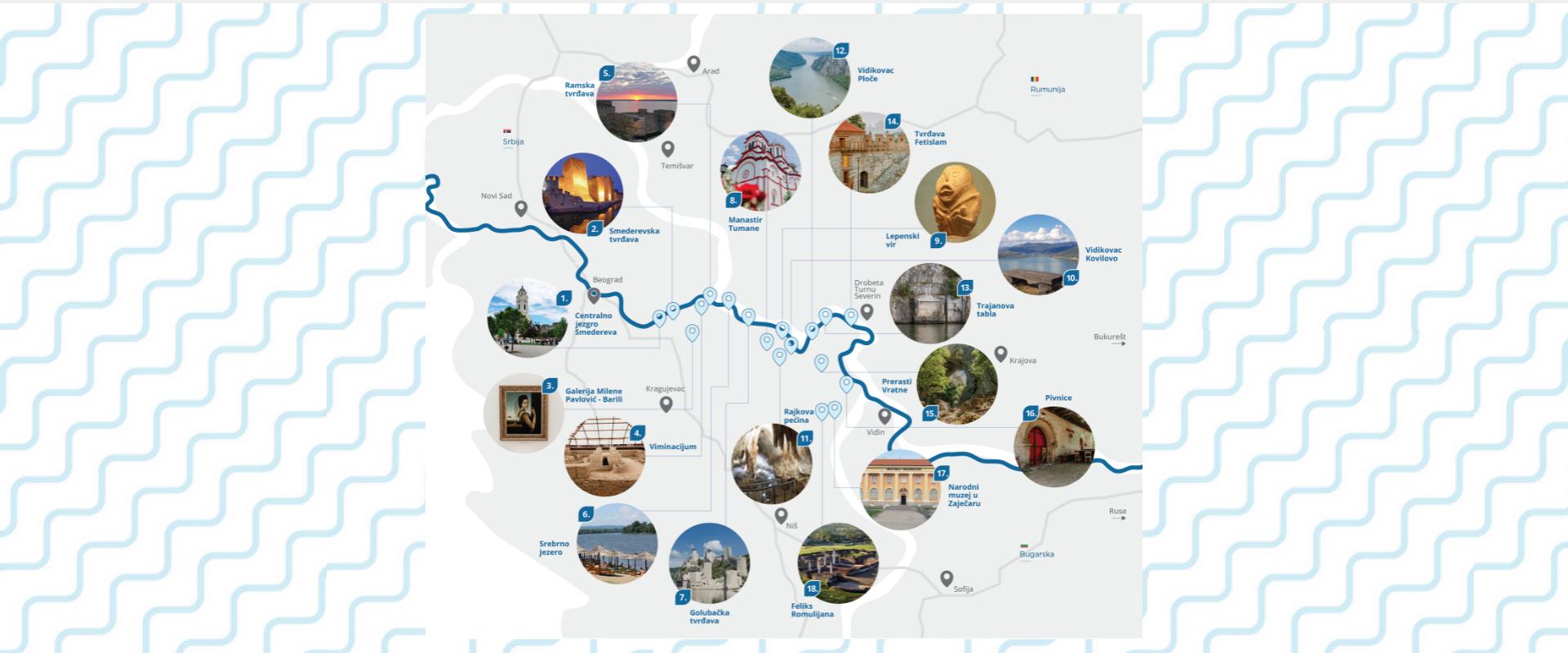
The perfect choice for a short vacation or an extended weekend just a few hours’ drive away – the region of Lower Danube and Eastern Serbia offers magical nature, a rich cultural and historical heritage, great conditions for an active vacation, and an unforgettable gastronomic experience for all the senses.
Smederevo Centre – The center of Smederevo is characterized by the triangular main town square that resembles the Fortress itself and which together with numerous surrounding buildings form the central core of the town. The square is dominated by the Church of St. George, the District Court building and the Old Municipal House. The main City square extends to the street Kralja Petra I, a pedestrian zone and the meeting point of numerous cafes and bars, which then leads to the promenade along the Danube.
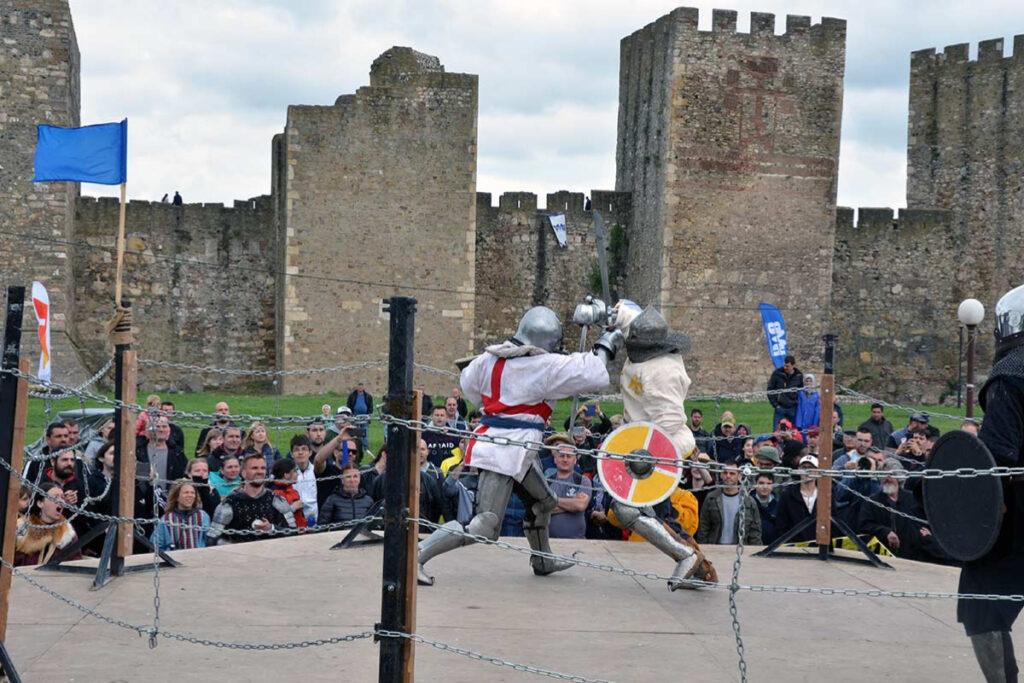
Smederevo Fortress – Located on the banks of the Danube, Smederevo Fortress is the largest preserved water-fortress in Europe. It was built in the 15th century and was designed to serve as a capital of Serbia and the fortified castle of Despot Djuradj Brankovic. The fortress consists of the Small and the Big Town. It is open for tourist visits and suitable for the organisation of a variety cultural events.
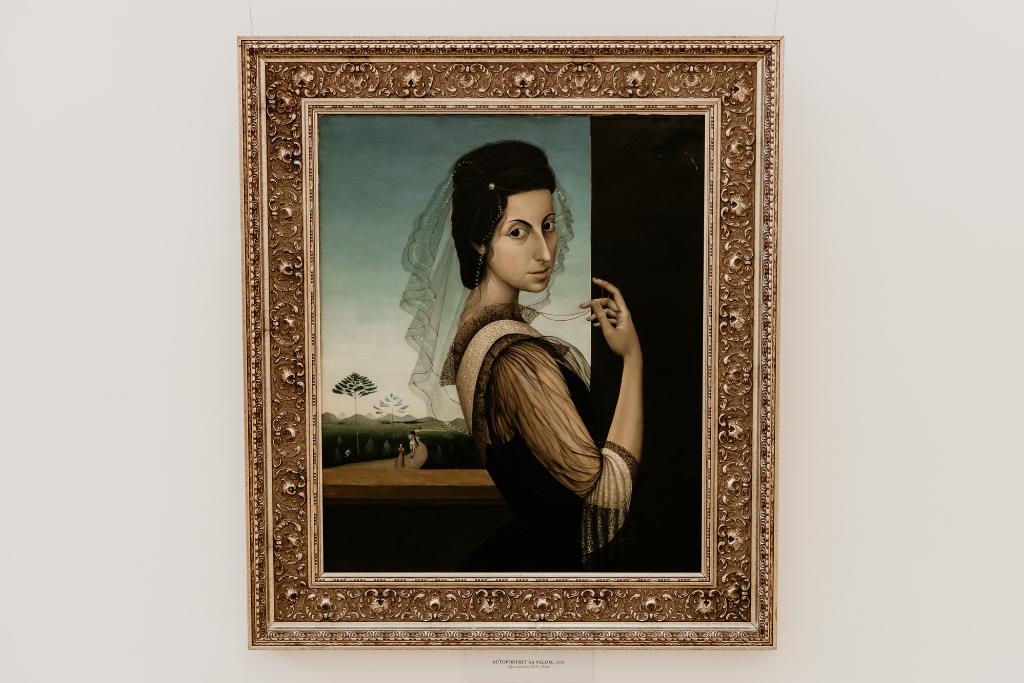
Milena Pavlović Barili Gallery – Milena Pavlović Barili is one of the most important painters in the history of Serbian art. As a representative of surrealism, her work marked the artistic life of Europe
in the period between the two world wars. The Milena Pavlović Barili Gallery is located in the center
of Požarevac, close to the National Museum.
As well as her works of art, it is also possible
to see other exhibits from the painter’s legacy, such as personal items and furniture.
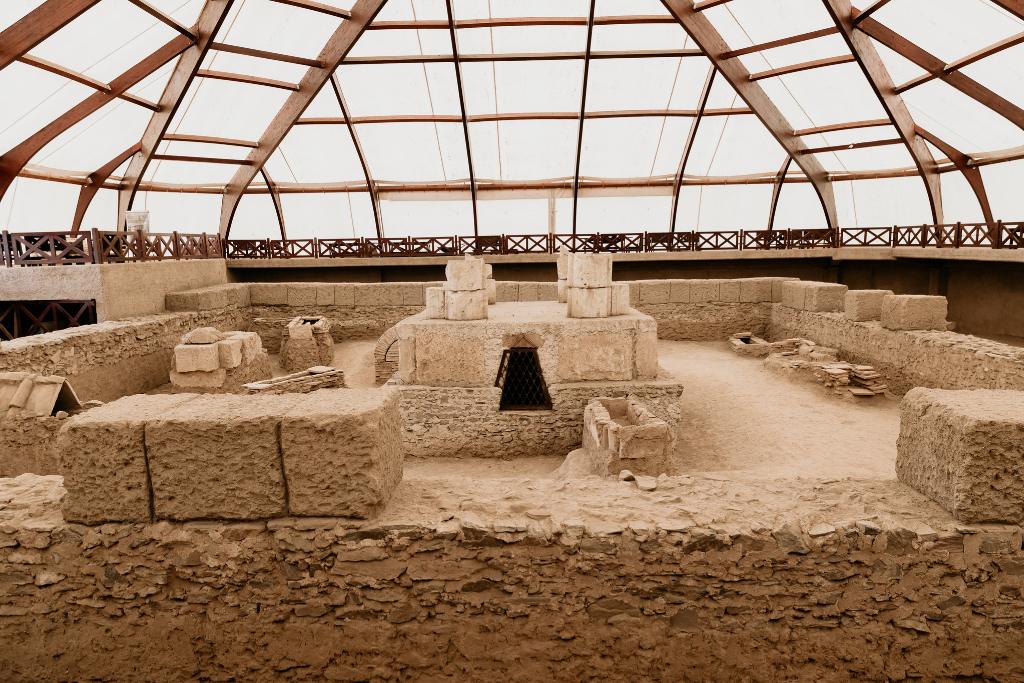
Viminacium The archaeological site of Viminacium is located 16 km from Požarevac. This locality was once one of the most important Roman military camps on the Danube, as well as the capital of the Roman province of Upper Moesia. Today, Viminacium is an archaeological park with seven exhibition units open to visitors.
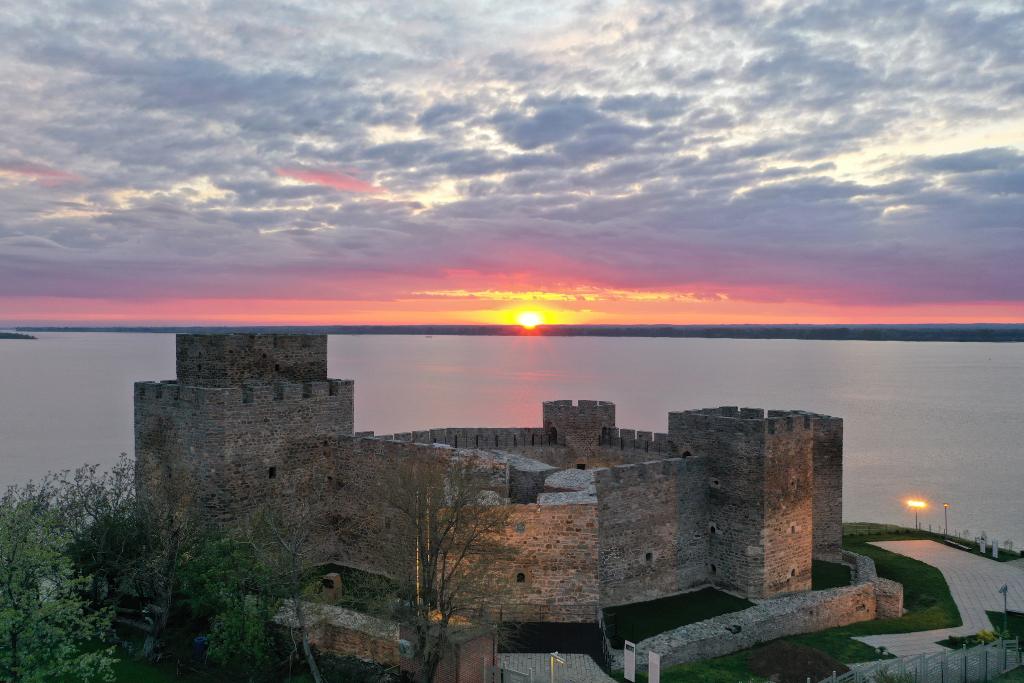
Ram Fortress is located in the Veliko Gradište municipality, on the right bank of the Danube and it was built in 1483 by Sultan Bayazit II. Today, after reconstruction, it is again open to tourists and it is possible to view the entire fortress with a guided tour. Besides this medieval beauty, tourists usually visit the caravansary and the permanent exhibition of artefacts from the locality. The river ferry that connects this location with Banatska Palanka stops close to the fortress, which is particularly convenient for cyclists on the EuroVelo routes.
Silver Lake
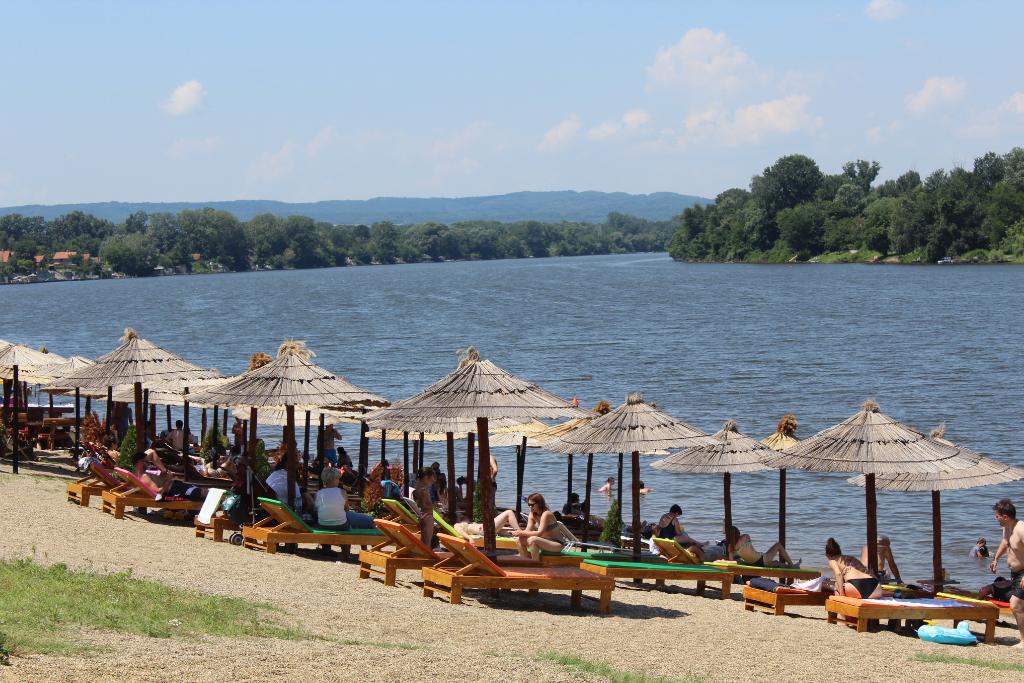
This artificial lake is located near Veliko Gradište and every year, mostly during the summer months, it is visited by a large number of tourists. The promenade near the lake and the nearby beach are a must-visit location, with dozens of cafes and restaurants, which make you feel
as though you are at the seaside. In addition
to the sightseeing boats, the aqua park and
sports camps offer tourists and guests a large variety of activities.
Golubac Fortress
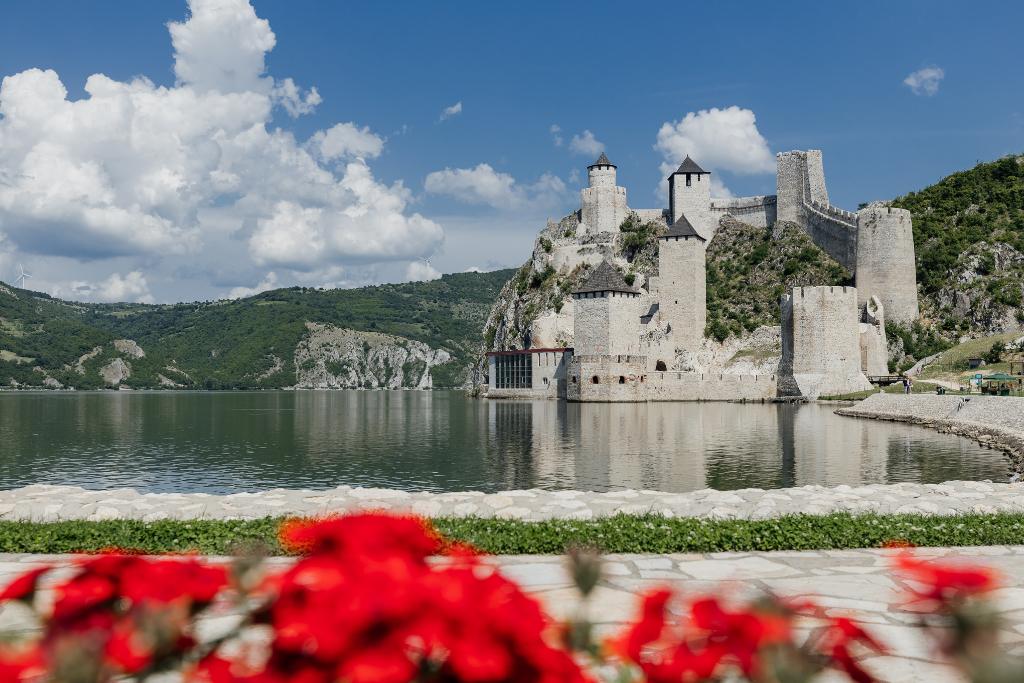
Located at the very entrance to the Djerdap National Park, at the widest point of the Danube, this Fortress dating back to the XIV century is one of the most visited tourist attractions in Serbia. In addition to the Visitor center, the Complex of the attraction also includes an Archaeological park, consisting of the Golubac Fortress, a Roman House, Mahmud-Pasha’s Hammam, and a Medieval Lime Kiln.
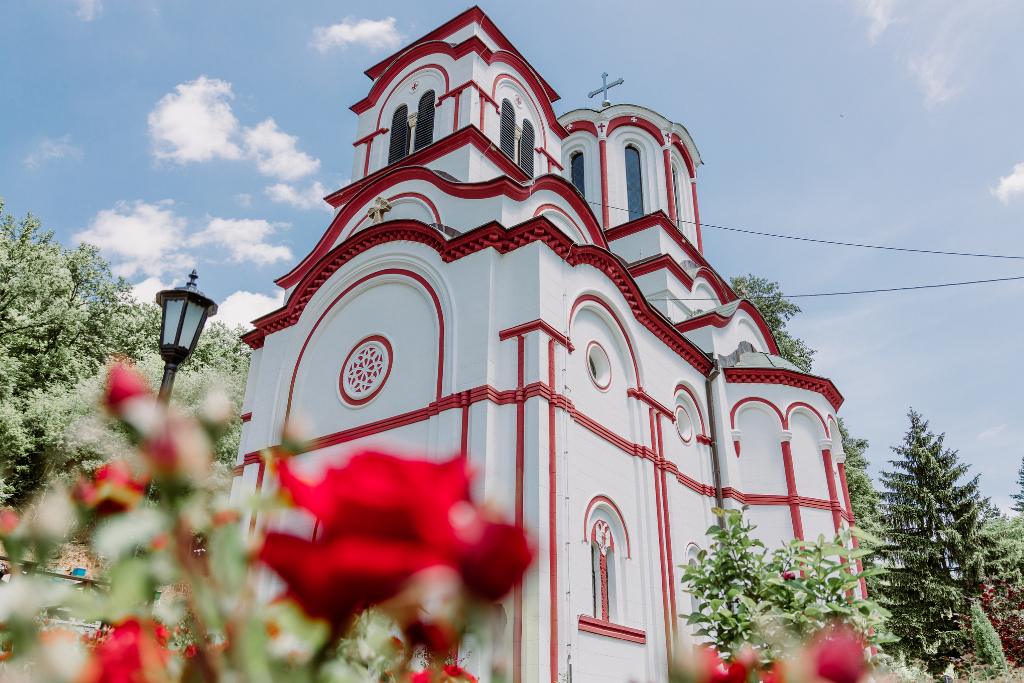
TUMANE Monastery – This 14th century Orthodox monastery is one of the most visited monasteries in Serbia. It is tucked away in the dense forests on the banks of the Tuman river, 10 kilometres from Golubac. Among all the monasteries built in the Serbian-
Byzantine style it is the closest to the Danube. Close to the monastery are the hermitage of Saint Zosim, a spring, and a forest waterfall.
LEPENSKI VIR
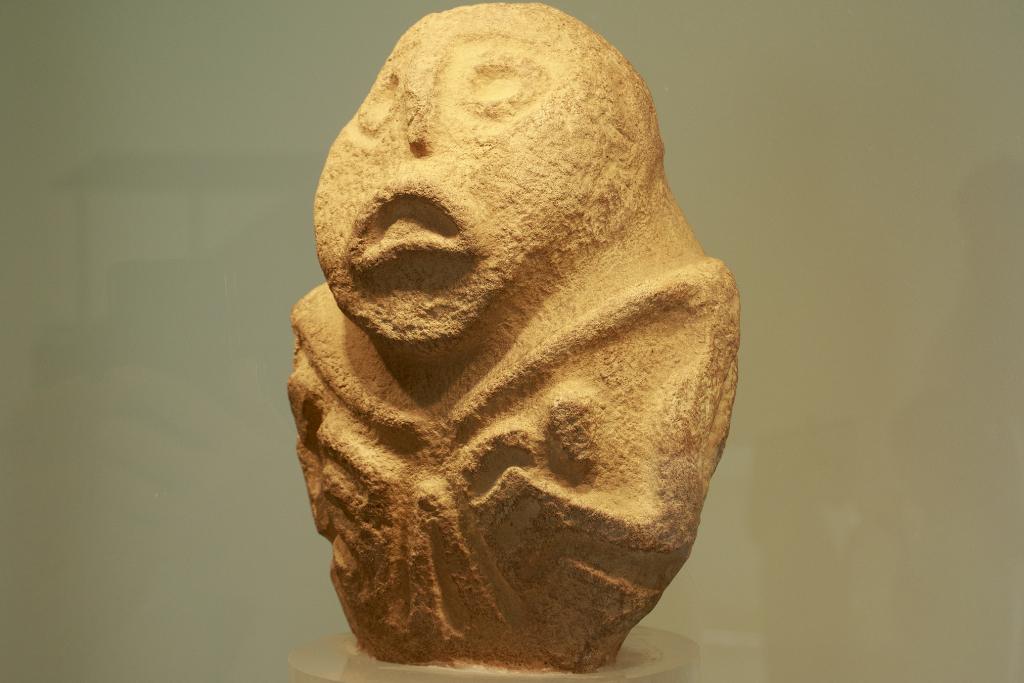
Lepenski Vir is one of the most important archaeological sites in Serbia. It is located near Donji Milanovac, on the right bank of the Danube. Using a documentary film and exhibition materials, as well as with the help of holographic and digital interpretation tools,
it is possible to see and experience how the culture of Lepenski Vir, one of the first organised open-air settlements, lived more than 8,000 years ago.
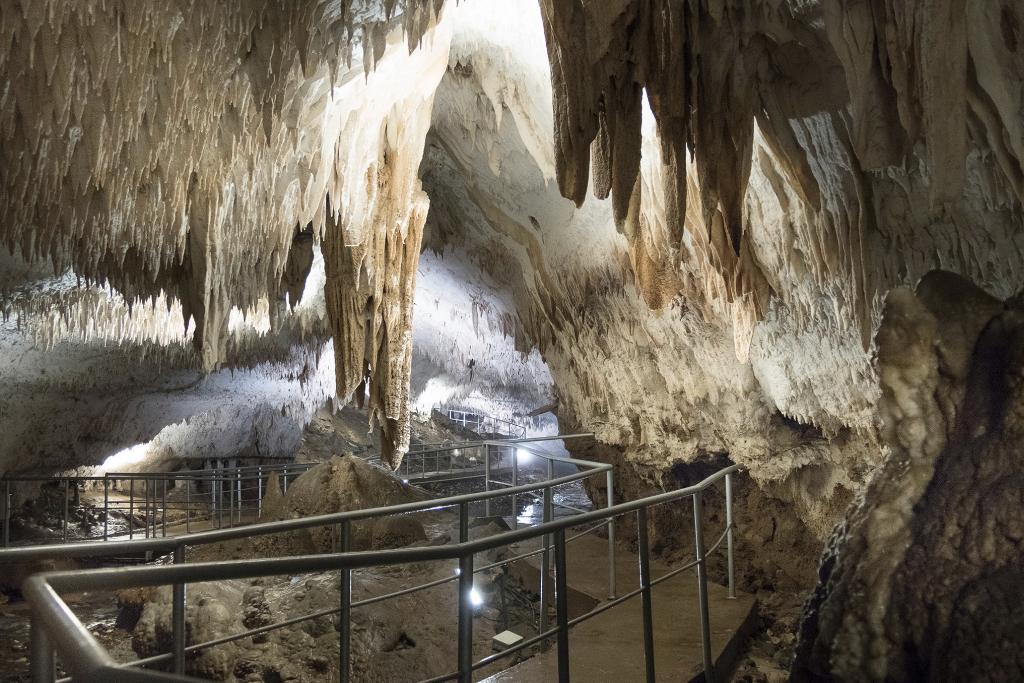
RAJKO’S CAVE – Located near Majdanpek, Rajko’s cave is the longest cave system in Serbia. The Rajkova river flows through the cave and its explored parts are connected in the circular trail that pass through a large number of subterranean halls decorated with various cave formations.
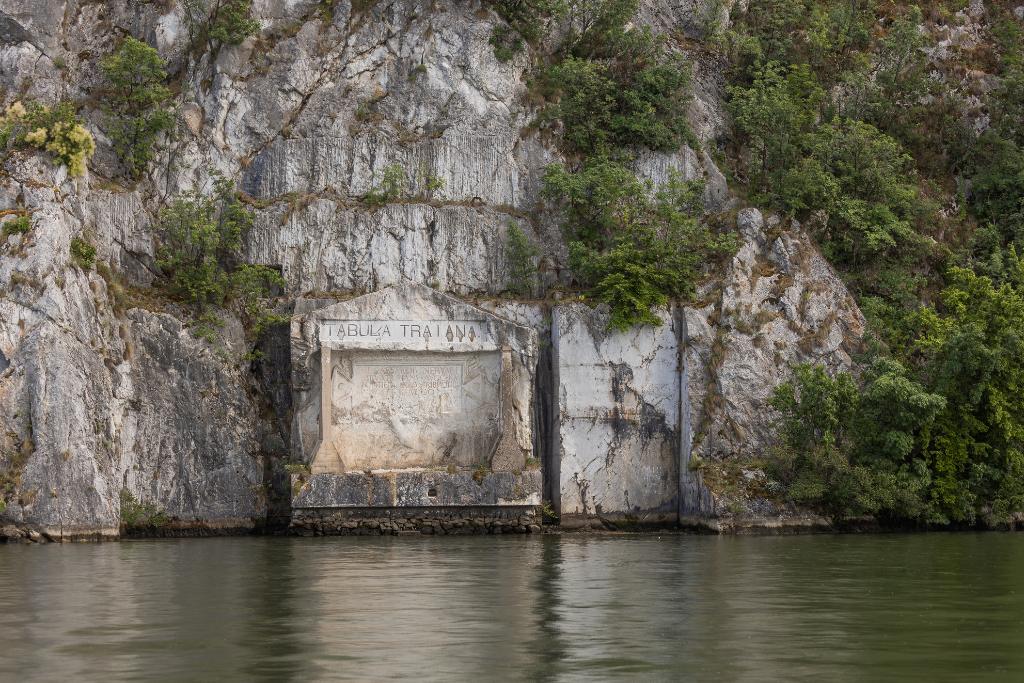
TRAJAN’S TABLET
Trajan’s tablet is an inscription carved in stone, which marks the end of the construction of the road through Djerdap Gorge. The board was erected around 100 AD on the orders of the emperor Trajan. That engineering feat is also shown on Trajan’s Column in Rome. This cultural monument can only be seen from the Danube, when approaching the Mali i Veliki Kazan (Small and Large Cauldron gorges).
Trajan’s tablet had to be moved when the level of the Danube rose due to the construction of the Đerdap 1 hydroelectric power plant. The work lasted almost two years and during them this piece of stone weighing several hundred tons was raised over 20 meters in height.
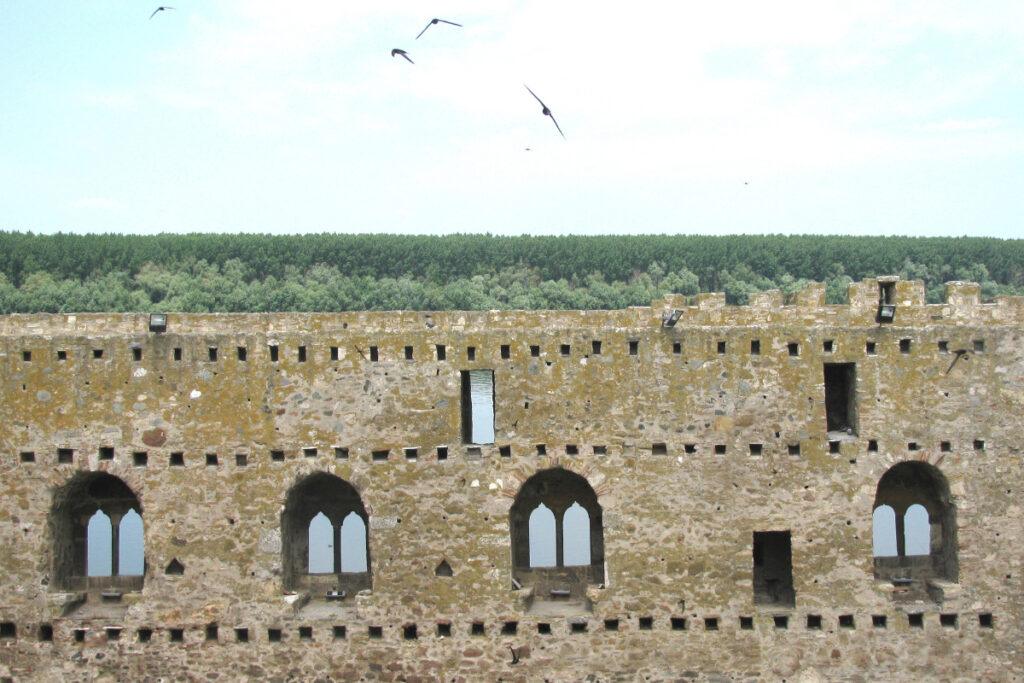
Fetislam Fortress
This fortification on the banks of the Danube was built in the 16th century by the Ottomans and today is located at the entrance to the town of Kladovo. The fortress consists of two parts, the Small and the Big Town, which, as a whole, form a unique system of walls and dungeons. The Archaeological Museum of Đerdap is located near the fortress.
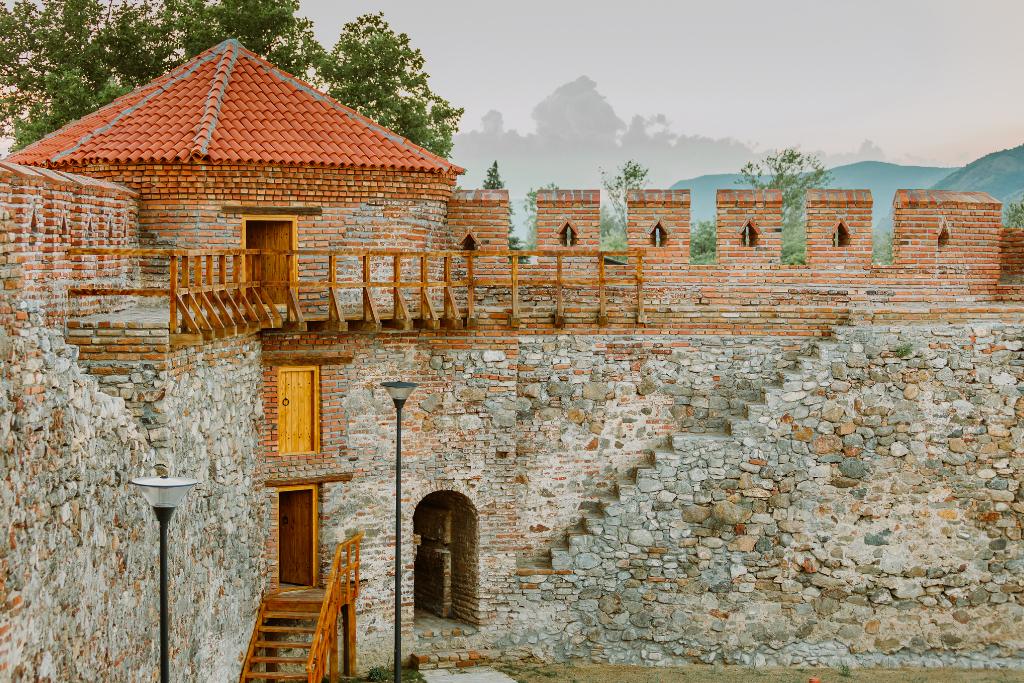

Felix Romuliana
This archaeological site is located in Gamzigrad, near Zaječar, and today is a part of the UNESCO World Cultural Heritage List. In former times, this was a palace built in honour of the Roman emperor Galerius and was named after his mother Romula. Above the site is Magura Hill where, for the last time in history, a Roman emperor was declared equal to the gods by the process of apotheosis.
Wine Cellars
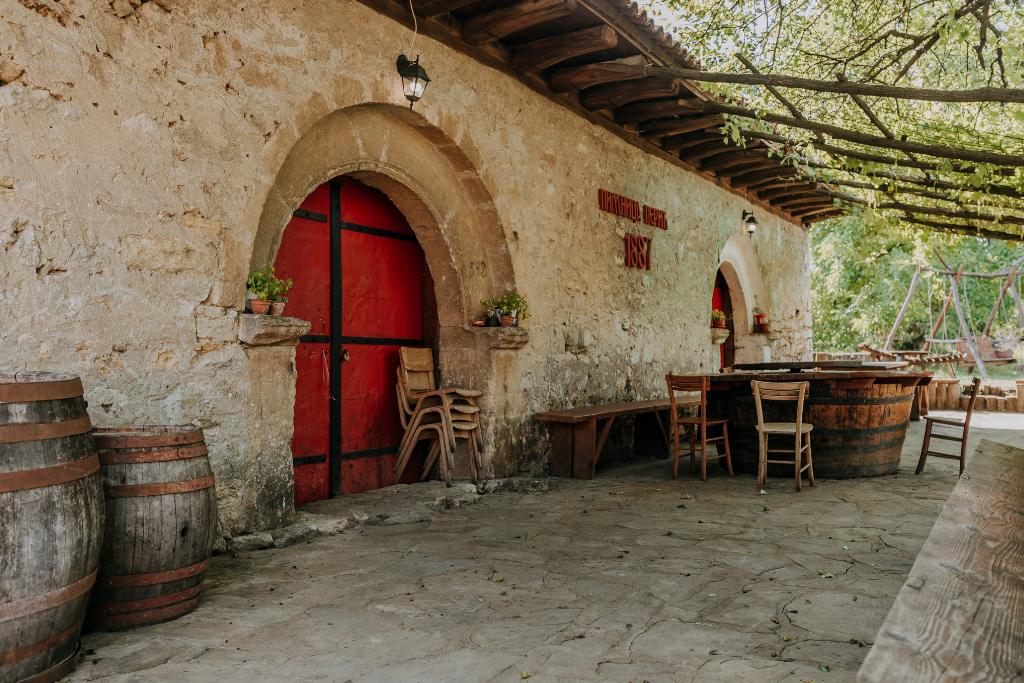
This complex of wine cellars was built between the first half of the 19th and the beginning of the 20th century, of which the cellars in the villages of Rajac and Rogljevo are the most visited ones. The cellar complex was built from stone and preserves the unique tradition of growing and producing wine in the region.
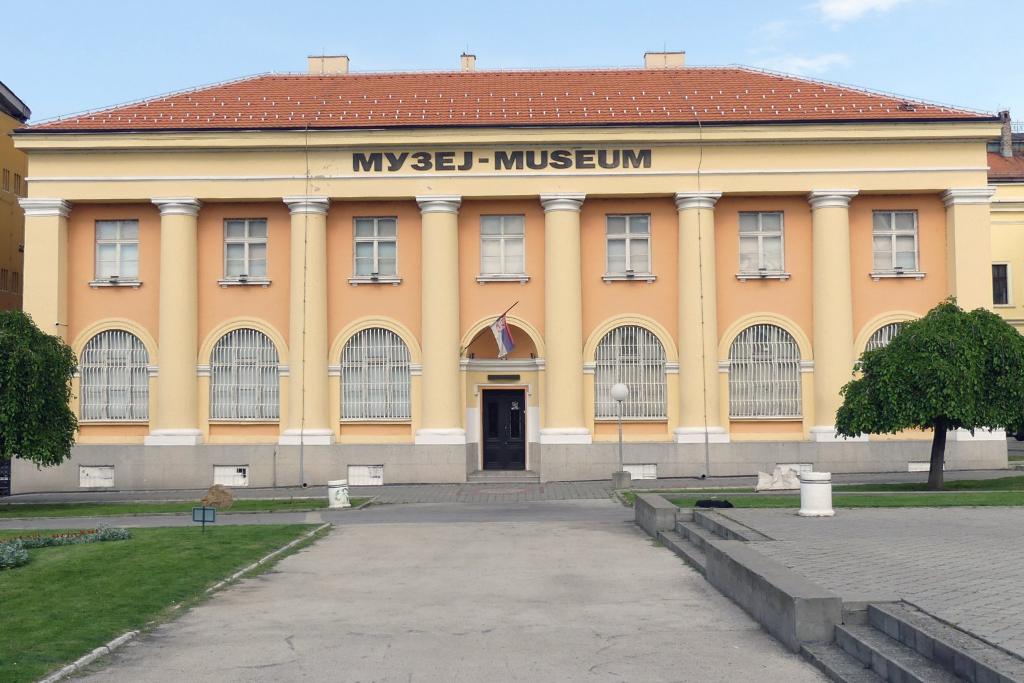
The National Museum Zaječar
Museum in Zaječar was founded in 1951. It is located in the centre of the city and today its collection comprises 15,000 objects divided into four groups: archaeology, ethnography, history and history of art. The Museum is also responsible for Radul Beg’s residence, the Turkish Watermill and the archaeological site of Felix Romuliana, in Gamzigrad.
You can find more information about the tourist offers of eight municipalities in Eastern Serbia and Lower Danube – Smederevo, Požarevac, Veliko Gradište, Golubac, Majdanpek, Kladovo, Negotin and Zaječar on the website WWW.INSPIRACIJA DUNAV.RS