ABOUT SMEDEREVO
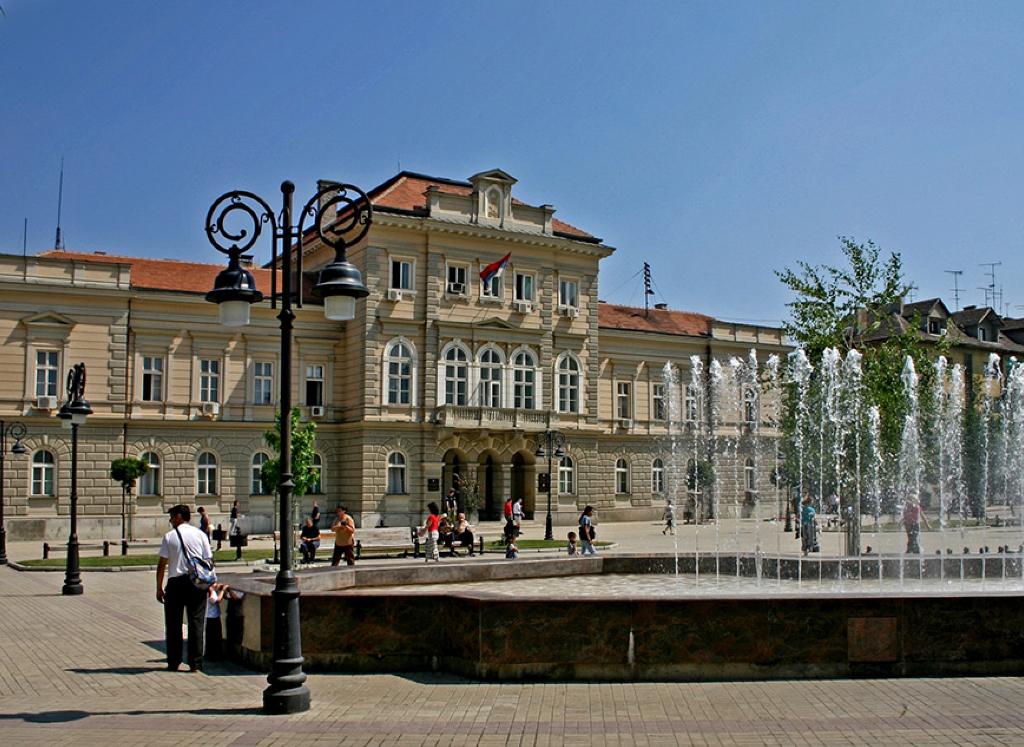
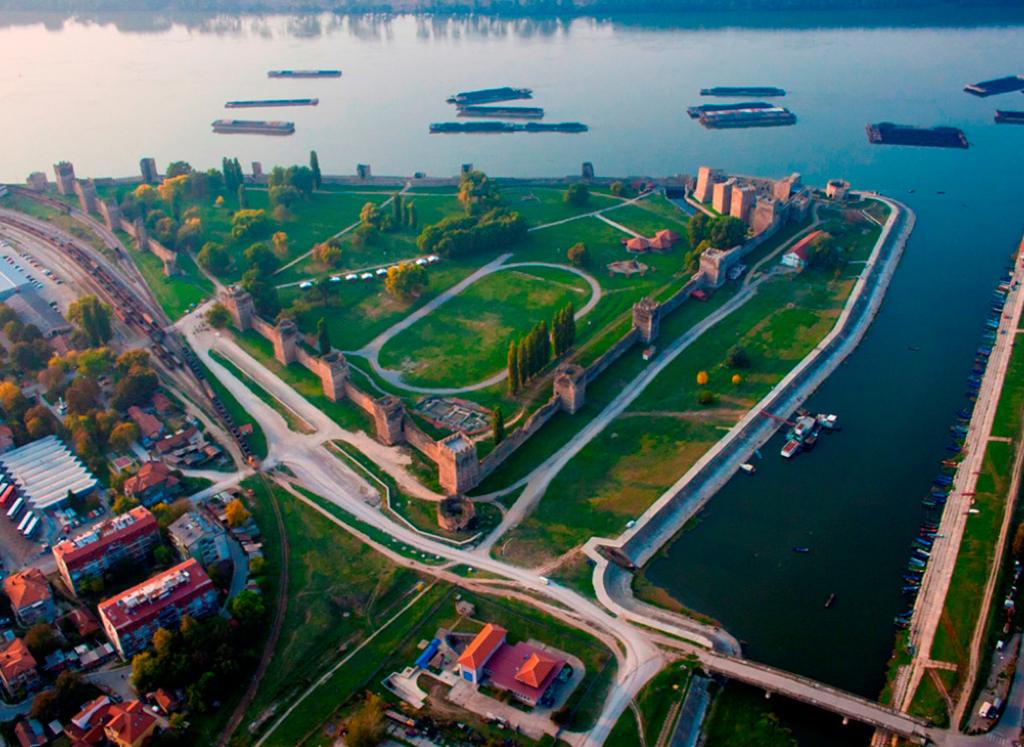
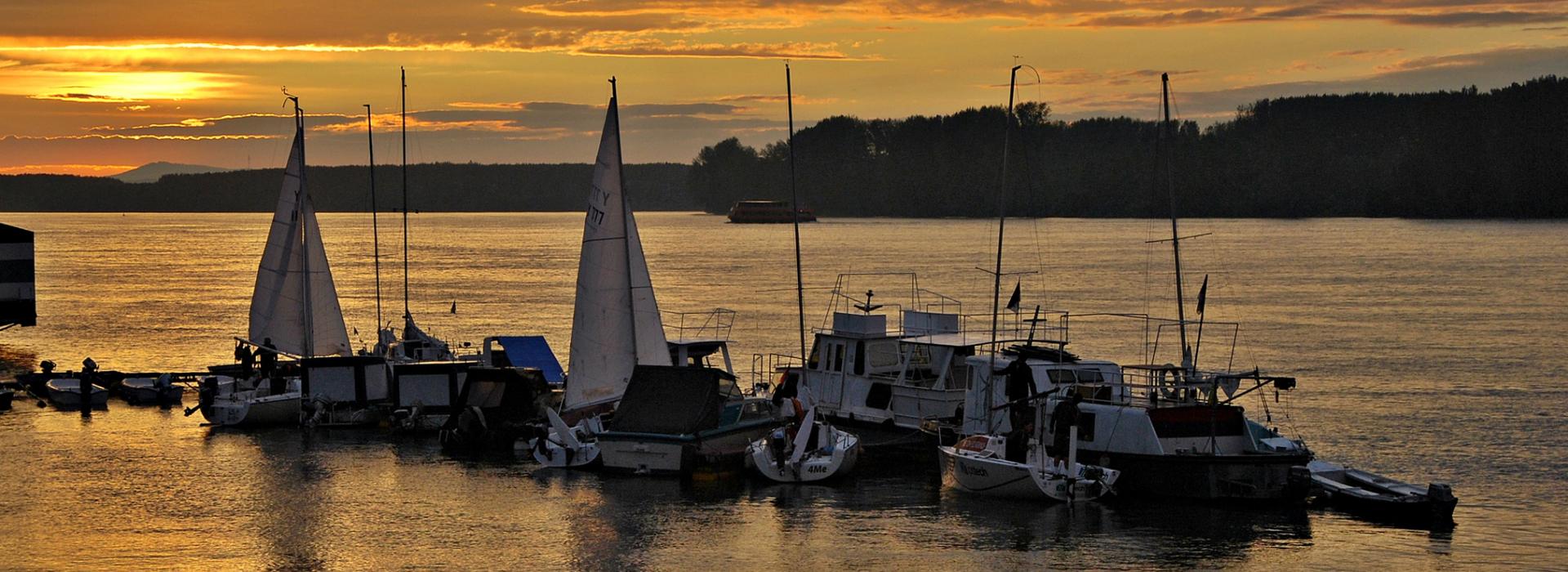
Welcome to Smederevo, a city of rich history looking onto the Danube and ancient Smederevo fortress. Smederevo is surrounded by the Danube and plains on one side and hills in the city itself.
–
The population of the city is about 64,000 whereas the city and surroundings as the population of about 108,000. The city is of special historic importance because it was a capital of the Serbian Despotate from 1430 to 1459. It was then conquered by the Ottomans led by Sultan Mehmed II and it was a centre of Smederevo Sandzak from 1459 to 1817, a part of the Ottoman Empire, to the Second Serbian Uprising. Today, Smederevo is an industrial centre. Smederevo is said to be «a city of steel and grapes».
–
The city is known for some other names in other languages: Latin Smederevo, Greek Sfenterom, German Semendria, Romanian Semendria, Hungarian Szendrő, Turkish Semendire.
Smederevo was first mentioned in 1019 in the charter of Byzantine Emperor Basil II when an eparchy of newly-founded Archbishopric of Ohrid was established. The next mention of Smederevo is found in the charter of Duke Lazar in 1381 where Ravanica Monastery is mentioned as well as the country and estates he bestows „in Smederevo to a great man of Bogosav with the municipality and legacy“.
–
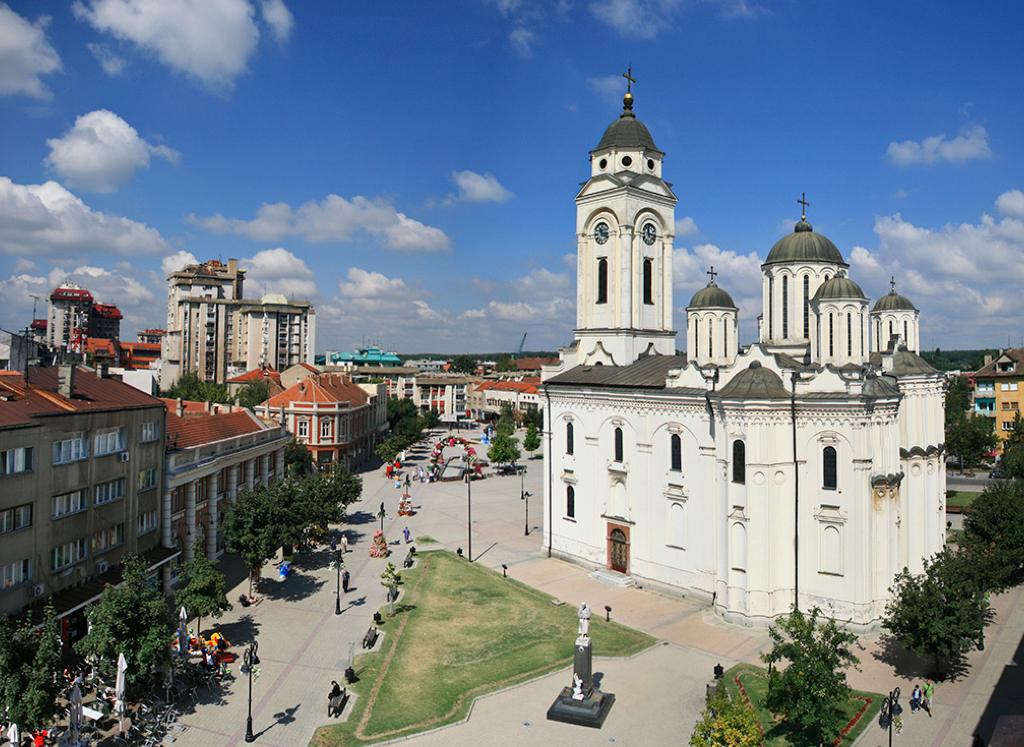
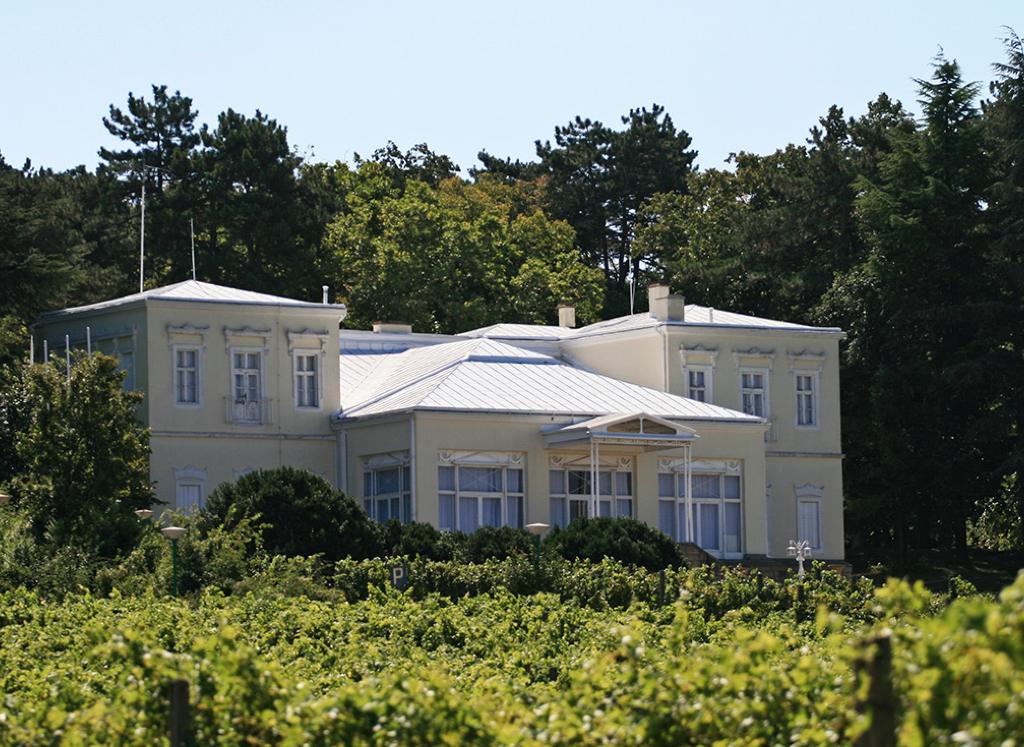
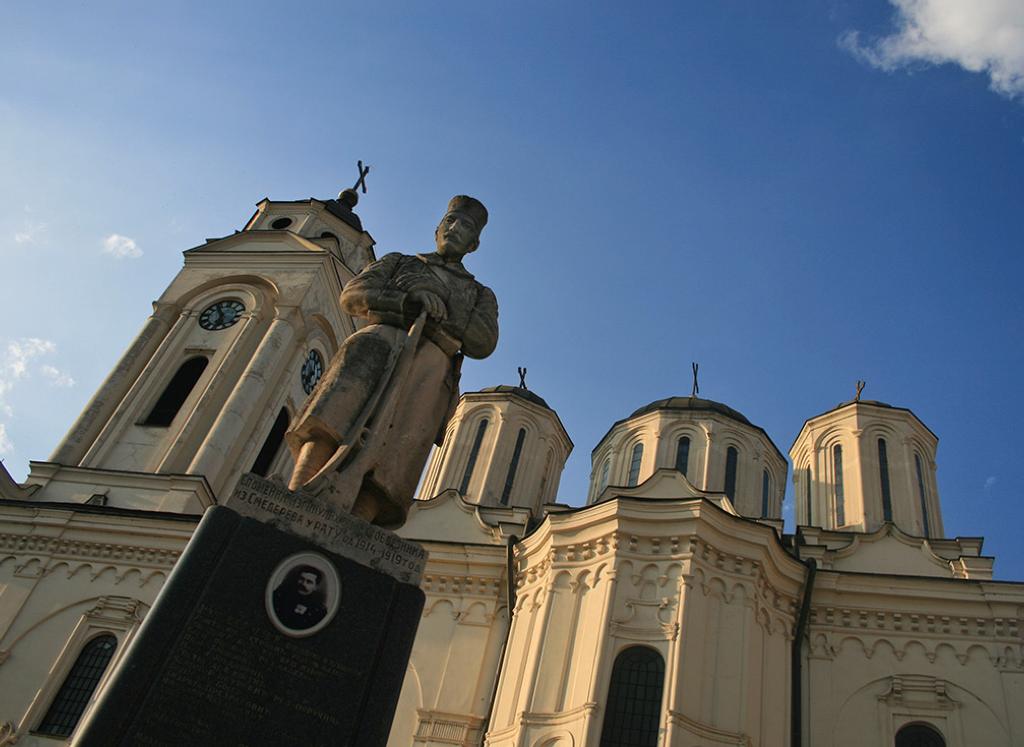
The settlement does not get its importance until 14th century when Serbian state withdrew to the north due to Turkish assaults. In 1427, following the death of his predecessor Stefan, despot Đurađ Branković had to return Belgrade to the Hungarian King as it had been previously arranged. Having a tradition of the capital, Smederevo stood out for building Smederevo Fortress in 1430. Until 1459 the city was the capital of the despotate headed by Despot Đurađ Branković.
–
Even though it was destroyed in the 1459, the Turks saw its extremely favourable position in the Danube and built some additional fortifications for their own needs. During the second period, it was the centre of Smederevo Sandzak until Austrians came in 1718. In 1719 the city fell under Turks again. However, during Austria-Hungarian Empire, the city continued to develop when the first primary schools were opened in 1806 at the time of the First Serbian Uprising. At that time, the Serbian Governing Council was founded it was headed by Dositej Obradović. Smederevo became the capital again.
Writer Branislav Nušić spent his childhood and youth in Smederevo. Festival Nušić Days was initiated to his honour in 1984. The festival features theatre plays, conferences and talks on theatre.
IMPORTED DATES IN THE CITY HISTORY
1430 — The Small Town of Smederevo Fortress was built
1456 — Despot Đurađ Branković died on Christmas Eve on 24 December
1459 — Smederevo fell under Turkish rule
1805 — Smederevo was liberated from Turks in the First Serbian Uprising led by Karađorđe Petrović Serbian Governing Council was founded the same year.
1806 — The first city primary school in Serbia was opened with teacher Jovan Rančić
1854 — St George Church was built
1866 — The hospital was founded
1867 — on 12 April the Turks leave Smederevo for good and turnover the keys of the city to Ljubomir Uzun Mirković
1871 — Grammar School started working
1875 — The first daily journal „The Will of People“ was initiated
1886 — The first train from Smederevo to Velika Plana departed Smederevo
1899 — The theatre was founded
1913 — Established Serbian mining and smelting joint-stock company SARTID, a forerunner of the current Steelplant in Smederevo
1914 — Smederevo fell under Austro-Hungarian Empire in the First World War The city was heavily bombarded and damaged by cannons called Big Bertha
1915 — The Germans attacked the city with 420 mm calibre rifles
1918 — Smederevo was liberated on 17 October
1941 — Smederevo experienced a catastrophic explosion like never before on 5 June at 2:14 PM The explosion was caused by ammunition stored in the fortress by occupiers. Over 3000 people were killed in the whole city was devastated and partly covered in earth
1944 — In the Second World War, Smederevo was liberated on 16 October